In this article, we are going to discuss
More related insights

Inclusive by design: How Konecta empowers people with disabilities across its global operations
Konecta has reaffirmed its people strategy, a global human resources framework designed to strengthen commitment, well-being, and a genuine sense...
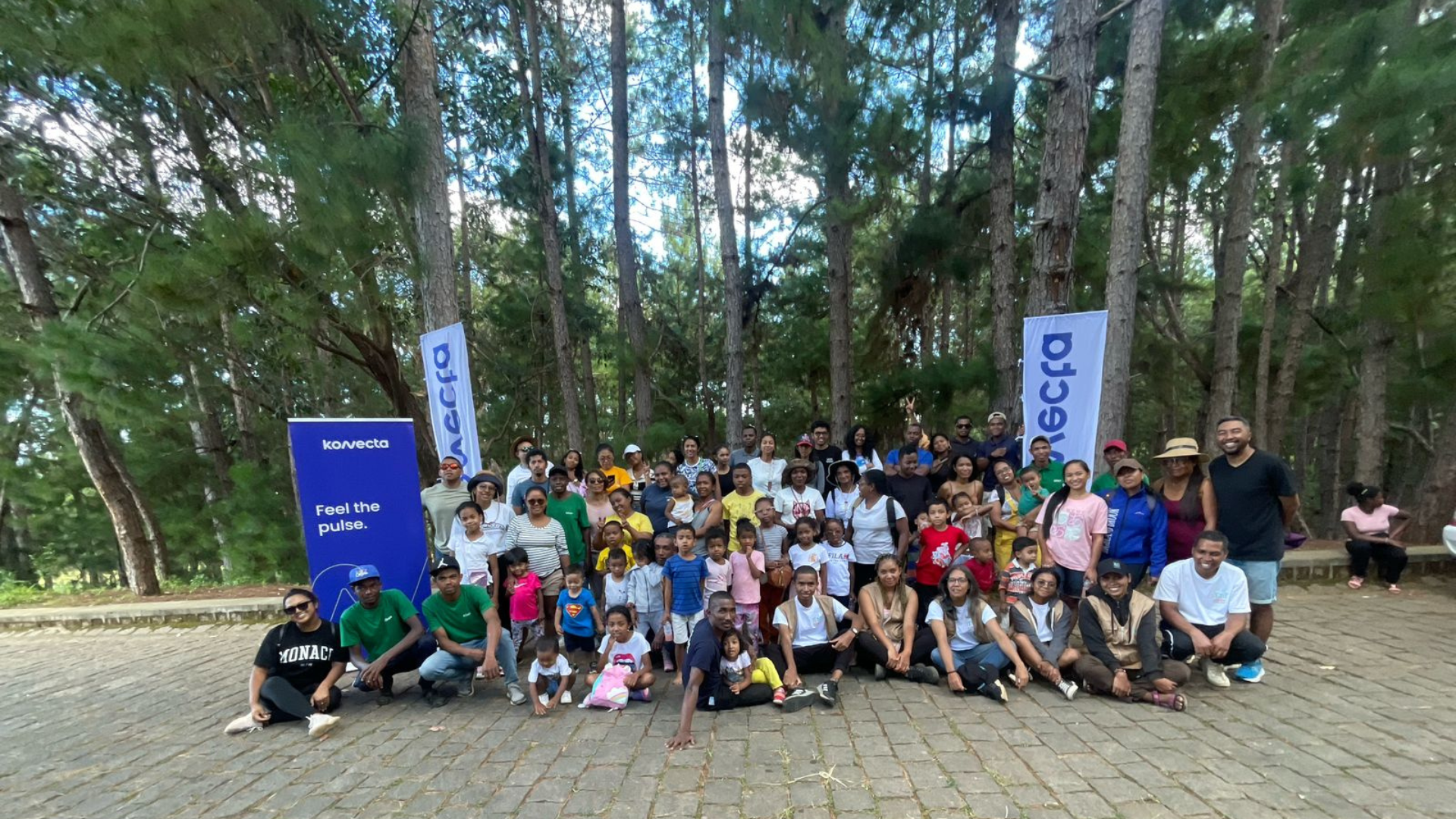
Konecta supports reforestation in Madagascar
As part of our ongoing commitment to environmental sustainability, Konecta continues to invest in reforestation initiatives that contribute to the...

Environmental commitment: Konecta continues its forest protection efforts in Italy with the Casentinesi Forest National Park
Protecting forests is not just an environmental concern, it is a shared responsibility. Konecta is fully aware of this and...
Building safer and healthier operations: a structured approach to workplace health and safety
Delivering consistent service quality depends on stable, safe, and resilient operations. For clients and partners, this means working with teams supported by environments that actively prevent risks, promote well-being, and sustain performance over time.
At Konecta, workplace health and safety (WHS) is addressed through a structured approach that goes beyond compliance. It combines risk prevention, continuous monitoring, and integrated mental health support to ensure both operational continuity and employee well-being.

A preventive and integrated safety model
At Konecta, workplace health and safety is guided by a global policy framework that sets the principles for identifying, assessing, and mitigating risks across operations, while allowing for local adaptation.
This model is built on three core principles:
- Proactive risk management, with continuous evaluation of physical work environments
- Integration of mental health, recognizing its direct impact on performance and stability
- Combination of technology and human support, enabling early detection of risks and timely intervention
Rather than isolated actions, this approach is designed as an always-on system, embedded into daily operations and continuously improved through data and feedback.
Mental health integrated into the safety model
At Konecta, mental health is embedded as a technical component of workplace health and safety, directly linked to operational stability and service quality.
Rather than being treated as a standalone initiative, it is addressed through a combination of continuous measurement, professional support, and structured intervention programs.
This approach combines:
- Digital tools capable of capturing emotional signals at scale, enabling real-time visibility on team sentiment.
- Direct support from health professionals, ensuring that identified cases receive appropriate follow-up.
- Structured programs addressing psychosocial risks, including prevention, intervention, and long-term support.
By linking data, human expertise, and operational processes, this model enables early detection of stress situations and activation of targeted support when needed, reinforcing both employee well-being and operational continuity.
From approach to execution: how it is applied locally
At Konecta, this approach is translated into operational programs at country level, allowing each market to address its specific needs while maintaining a consistent prevention logic.
This deployment is supported by international standards such as ISO 45001:2018 and reinforced through continuous training, with more than 266,000 hours dedicated to health and safety in 2025.
Concrete examples of implementation
- Colombia
A hybrid model combining technological monitoring and human intervention.
The Zentir emotional monitoring tool, integrated into a virtual assistant, enables real-time tracking of team sentiment, with millions of interactions recorded. This is complemented by the Armónicamente program, which provides direct psychological support and has led to structured follow-up and therapy pathways for identified cases. Participation is reinforced through formal employee committees, ensuring continuous feedback and involvement.
- Argentina
A model focused on confidential support and continuous listening.
The Estamos con Vos program provides 100% confidential psychological support, addressing personal, mixed, and work-related challenges with high satisfaction levels. This is complemented by Espacio Cuidarnos, which equips leaders and representatives to actively manage team well-being, and by digital tools that analyze employee feedback and trigger real-time recommendations.
- Peru
A structured approach combining prevention, intervention, and community engagement.
The A tu Lado program is built around three pillars: awareness and prevention, direct psychological support, and reconnection initiatives. It includes individual care, emotional pause sessions, and the development of internal well-being communities supported by trained volunteers.
- Italy
A model focused on risk prevention, workplace monitoring, and structured compliance, combining technical assessments with targeted safety initiatives.
Risk management includes Legionella assessments across sites and the implementation of delegation frameworks, ensuring clear accountability. The approach also integrates technology to monitor indoor environmental quality and a centralized system to track safety-related reports.
Training remains a key lever, with safe driving programs fully deployed, alongside the rollout of initiatives focused on remote work safety and digital training.
- French-speaking region (cross-country initiatives)
A cross-country approach focused on promoting well-being and reinforcing a shared culture of health and safety across markets.
Key initiatives include campaigns such as QVCT Week, dedicated to quality of life at work, and broader health awareness programs aimed at fostering healthy habits and prevention.
This is complemented by the “Health & Wellbeing” section on INSPIRE, the internal ESG portal for the region, which provides monthly content with practical guidance, awareness materials, and educational resources for employees.
- France
A model focused on understanding and managing psychosocial risks, combining structured diagnostics with targeted training and local support.
A psychosocial risk (PSR) diagnosis, conducted with an external partner, provides insights to guide continuous improvement. This is complemented by the Mental Health First Aid (MHFA/PSSM) program, which develops internal capabilities through training, local referents, and supervisor certification.
Together, these initiatives strengthen early detection and support across teams.
- Morocco
A model focused on structured governance and regulatory alignment, ensuring consistent oversight of workplace health and safety.
The Health and Safety Committee (Comité Hygiène et Sécurité) plays a central role in monitoring risks, reviewing working conditions, and ensuring compliance with local requirements.
This governance structure supports preventive actions and reinforces a proactive approach to workplace safety.
Why this matters
These implementations show how Konecta’s approach can be adapted to different operational contexts while maintaining a consistent objective: anticipating risks, supporting individuals, and sustaining performance over time.