Reading time
6 min
In this article, we are going to discuss
More related insights

Three essentials for live agentic AI operations at scale
The promise of AI’s "agentic shift" is real. What started as a tool to assist human agents has evolved into...

From early pilot to lasting value: 6 critical success factors for AI transformation
AI is rapidly reshaping all sectors. Long-term opportunity from AI is is massive, with Gartner projecting that 40% of enterprise...

Building a digital employee experience for long-term ROI
Across industries, a familiar pattern is emerging: organizations are fundamentally restructuring, reducing headcount, and accelerating AI adoption in a relentless...
Humanity for the AI era: the growing benefits of corporate volunteering
Volunteering has long been a vibrant part of the corporate responsibility calendar. Now, with digitalization and the rise of AI, volunteering programs are evolving from occasional office outings to something far more flexible and value-driven. It’s a shift that every responsible organization can harness.
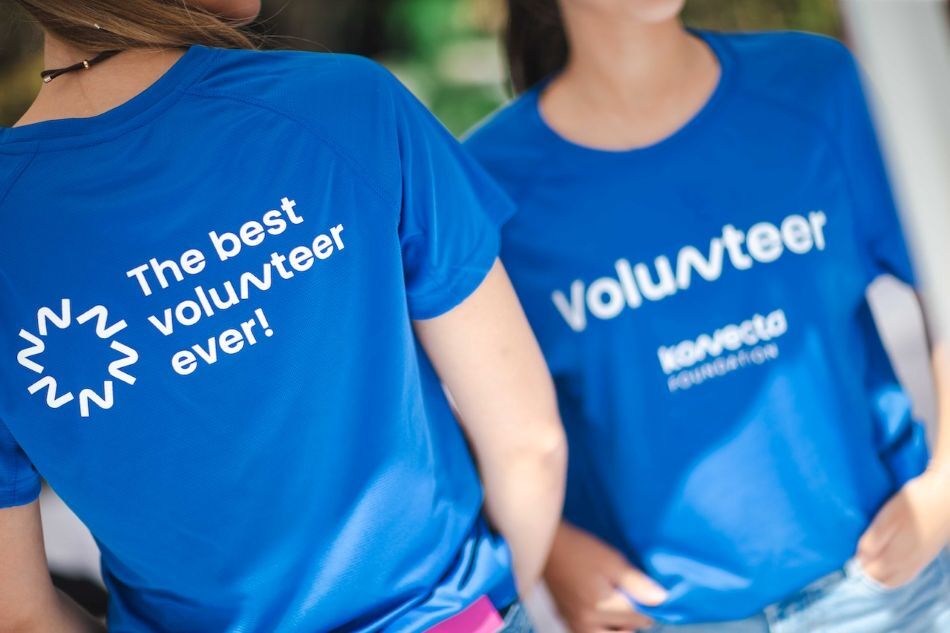
The benefits of volunteering are proven. For employees, it’s the chance to step outside the everyday, meet people from different walks of life, and feel like they've made a difference. Volunteering builds human connection and purpose - and is consistently linked to stronger employee engagement and retention.
Comprehensive analysis by the Institute of Psychiatry, Psychology & Neuroscience at King’s College London concluded that 86% of studies into the benefits of corporate volunteering found a significant association with higher job satisfaction and 57% with improved job performance.
These numbers look set to increase. A recent report found that nearly all millennials (89%) and Gen Zs (86%) say that having a sense of purpose at work is important to their job satisfaction.
Skills-based volunteering: matching talent to need
At its core, volunteering is about creating positive impacts for individuals, society and the planet. Visiting community groups or planting trees can be hugely rewarding, underlining the value of contributing beyond organizational boundaries.
But something even more powerful happens when volunteering is aligned with the specific capabilities of the organization and its employees’ professional skills. That might mean running a fundraising or recruitment campaign for an NGO, organizing employability masterclasses for underrepresented groups, or staffing a helpline for vulnerable people.
Now that AI has burst onto the scene, here at Konecta, we have seen the growing need for AI literacy among non-profit organizations. In fact, research by Benevity has revealed that 71% of non-profits identify the ability to leverage AI for operational efficiency as an urgent priority, from communications and fundraising to impact measurement. Yet only 3% of non-profits are using AI extensively today, with many still experimenting or unsure. This creates a major opportunity for skills-based volunteering. One example is the AI literacy workshops we deliver, which are designed to foster the safe and ethical use of AI - both within NGOs and among people from vulnerable groups who are seeking to enter the workplace.
Hybrid working and virtual volunteering
Meanwhile, just as hybrid and remote working have changed the workplace, so too have they enabled more volunteering to happen remotely, such as a marketer building a charity’s campaign or a trainer delivering a digital skills webinar. A 2026 market survey found that 55% of all corporate volunteer activities now explicitly feature hybrid or virtual participation options to maximize workforce accessibility.
This evolution achieves three things at once. It opens participation up to distributed workforces, including people who might never have joined an in-person event. And it helps companies match talent to need far beyond their local geography - a specialist in one country can support an organization on the other side of the world. It also brings more flexibility because employees may find it easier to fit tasks into their schedule.
Video tools can make remote connection surprisingly intimate - seeing someone's face changes the interaction - and they undeniably increase opportunity. But in-person volunteering still has its place. The ideal, for most organizations, is a mix of both: digital reach combined with the depth of in-person connection.
Being human in an AI world
Every business and process is increasingly AI-powered. AI tools are fantastic for accelerating processes, mining information and providing evidence-based responses. But for companies - especially those in the service sector - the human factor is vital to great customer experience. In situations that call for empathy, sensitivity and active listening, being human is what's needed: by customers, by staff, by business, and by society as a whole.
This is where employee volunteering shines more than ever. We see it as a genuine opportunity to practice interpersonal skills - communication, compassion, listening and patience - in a meaningful, but non-business, setting. Think of it as a soft-skills gym. The benefits compound: better employee experience, a practical training ground for skills that matter, and a way to maximize the social value a company creates.
Doubling the win
ESG reporting is no longer optional. In Europe, for instance, the Corporate Sustainability Reporting Directive requires larger companies to disclose their social and environmental impacts using standardized metrics.
ESG metrics demonstrate progress to an organization’s stakeholders, and can turn volunteering into a measurable part of business strategy and reputation management. Crucially, ESG reporting pushes businesses to improve through new programs, better delivery and stronger impact year over year.
Here's where it gets interesting for companies choosing their partners: by selecting partners that run strong volunteering programs, companies can improve their own ESG performance. Instead of only relying on their own programs, they can demonstrate value through their supply chain. This kind of alignment is hugely beneficial, fostering long-term synergies between companies, their commercial partners and non-profit organizations.
Your volunteering checklist
So what should companies or non-profits look for when choosing a partner who can bolster their own performance and strategy when it comes to volunteering?
- Do they listen and follow through? The best partnerships are about understanding exactly what an organization really needs and then matching to that. Redesigning a charity’s website or reviewing their donor experience is the kind of value-add that leads to deeper, more practical relationships.
- Do they make it easy for employees? Giving people a set number of volunteering days a year (not restricted to weekends) and asking them what they’d like to do works far better than a top-down program. It's a powerful way of building culture, and something we've seen succeed within Konecta and with our customers who ask what matters to our agents (the people who deliver their service).
- Is there real commitment from the executive team? Tangible leadership participation signals commitment and builds corporate culture in a way that trickles down. Leaders’ readiness to match raised funds is another strong signal of genuine buy-in.
- Do they think and act globally? Ideas that are replicable (with the necessary cultural adaptations) across different regions can foster both innovation and economies of scale. We have seen the benefits of this approach with the globalization of the Konecta Foundation. What started in 2005 as a Spanish non-profit with a mission to help build social value and inclusion is now delivering programs across 28 countries.
It all comes back to being human
Across the board, we’ve seen a growing recognition of the importance of partnerships built on alignment of goals and values, particularly with the focus on social innovation and AI for impact. These alliances build communities of commitment and expertise that outlast any single project.
But ultimately, it's all about being human. Every person has a natural instinct to help. The companies that can best harness this are the ones that align opportunities with real needs, listen to their partners, make participation easy and inspiring for staff, and commit at every level of the organization. Volunteering can be the ultimate expression of business for good.
This article was published by

Graciela de la Morena Carra
Executive Director, Konecta Foundation