In this article, we are going to discuss
More related insights

June 16, 2026
Konecta achieves Global ISO 42001 certification
Madrid, June 16, 2026 - Konecta, a global leader in customer experience (CX) and digital services, today announced that its...

June 8, 2026
Konecta Foundation announces the winners of the 2026 Community Impact Call
June 4, 2026
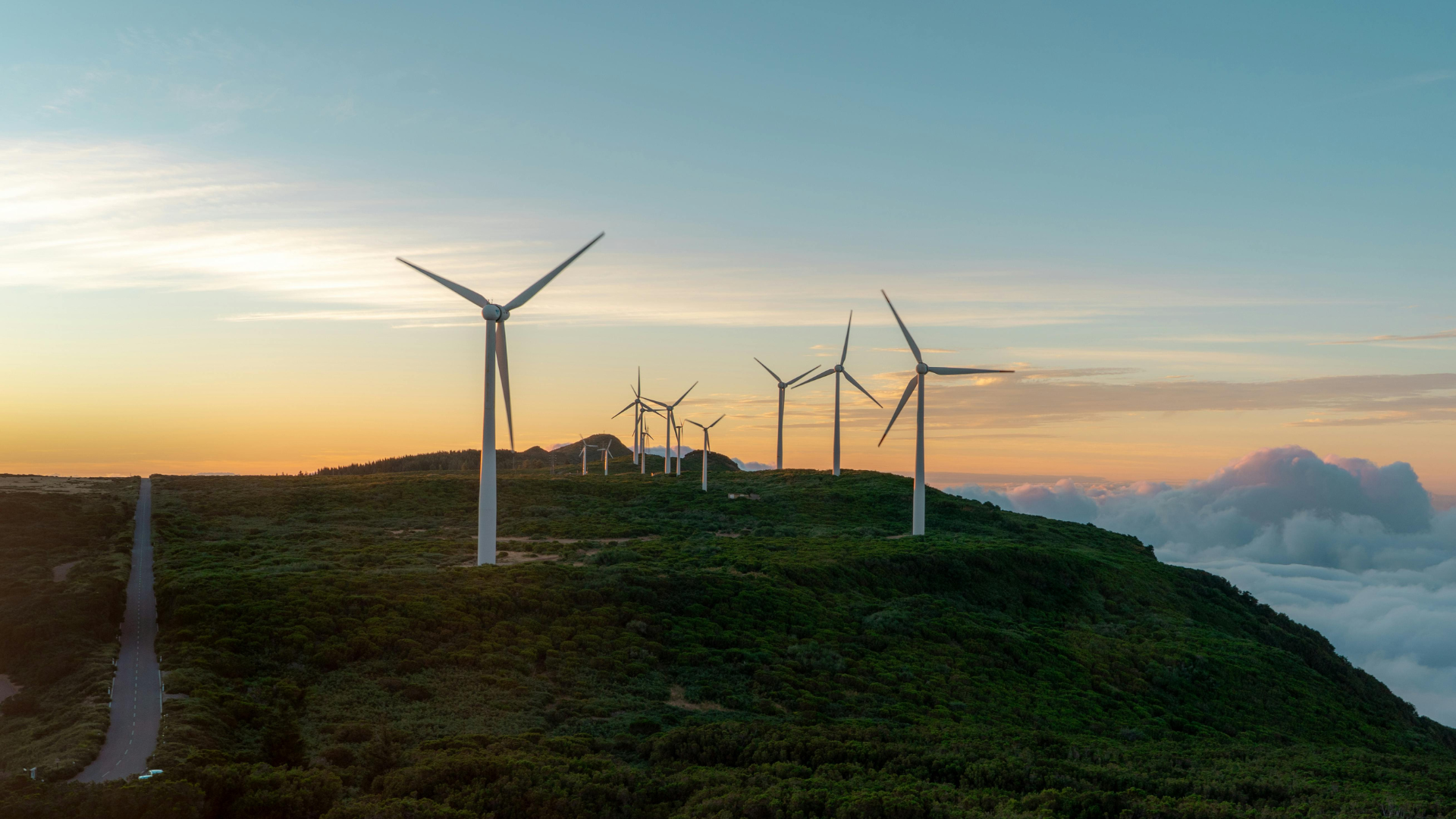
Oaxaca Wind Energy Project: supporting renewable energy and the transition to net zero
Strengthening sustainable supply chains: Konecta achieves A- in CDP Supplier Engagement Assessment
Reducing emissions across the value chain is becoming a priority for companies looking to meet regulatory requirements, manage risks, and respond to growing client expectations. Strengthening supplier engagement is a key lever to achieve this, as indirect emissions often represent the largest share of a company’s environmental impact.
What this means for clients and partners
A more sustainable and transparent supply chain directly supports clients’ own decarbonization goals, particularly when addressing Scope 3 emissions.
Konecta has received an A- score in the Supplier Engagement Assessment (SEA) conducted by CDP, reflecting a strong level of maturity in how climate considerations are integrated across its supplier ecosystem.
This approach enables:
- Better visibility on indirect emissions
- More resilient and responsible procurement practices
- Alignment with increasing ESG and regulatory expectations
What is the CDP Supplier Engagement Assessment
The Supplier Engagement Assessment (SEA) is an annual evaluation developed by CDP that measures how companies engage their suppliers on climate-related topics.
It focuses on four key areas:
- Governance: how climate topics are embedded into decision-making
- Targets: the existence of clear decarbonization objectives
- Scope 3 emissions: measurement and management of indirect emissions
- Value chain engagement: actions to involve suppliers in climate strategies
Companies with high scores are recognized for their ability to drive meaningful change beyond their direct operations.
Why value chain engagement matters
For most organizations, emissions linked to suppliers and partners represent the majority of their footprint. In many cases, these emissions can be significantly higher than those generated by direct operations.
Strengthening supplier engagement helps:
- Identify and reduce indirect emissions (Scope 3)
- Improve data quality and transparency
- Anticipate regulatory changes such as supply chain due diligence requirements
- Unlock operational efficiencies and cost savings
From measurement to action
A structured approach to supplier engagement makes it possible to move from high-level commitments to concrete actions.
By working closely with its value chain, Konecta contributes to:
- Standardizing emissions data collection
- Supporting suppliers in their sustainability journey
- Embedding ESG criteria into procurement processes
This continuous improvement model reinforces the ability to deliver sustainable, scalable, and future-ready services.
As sustainability expectations continue to evolve, collaboration across the value chain becomes essential. Strengthening supplier engagement is not only a climate priority, but also a business imperative to build more resilient and responsible operations.